
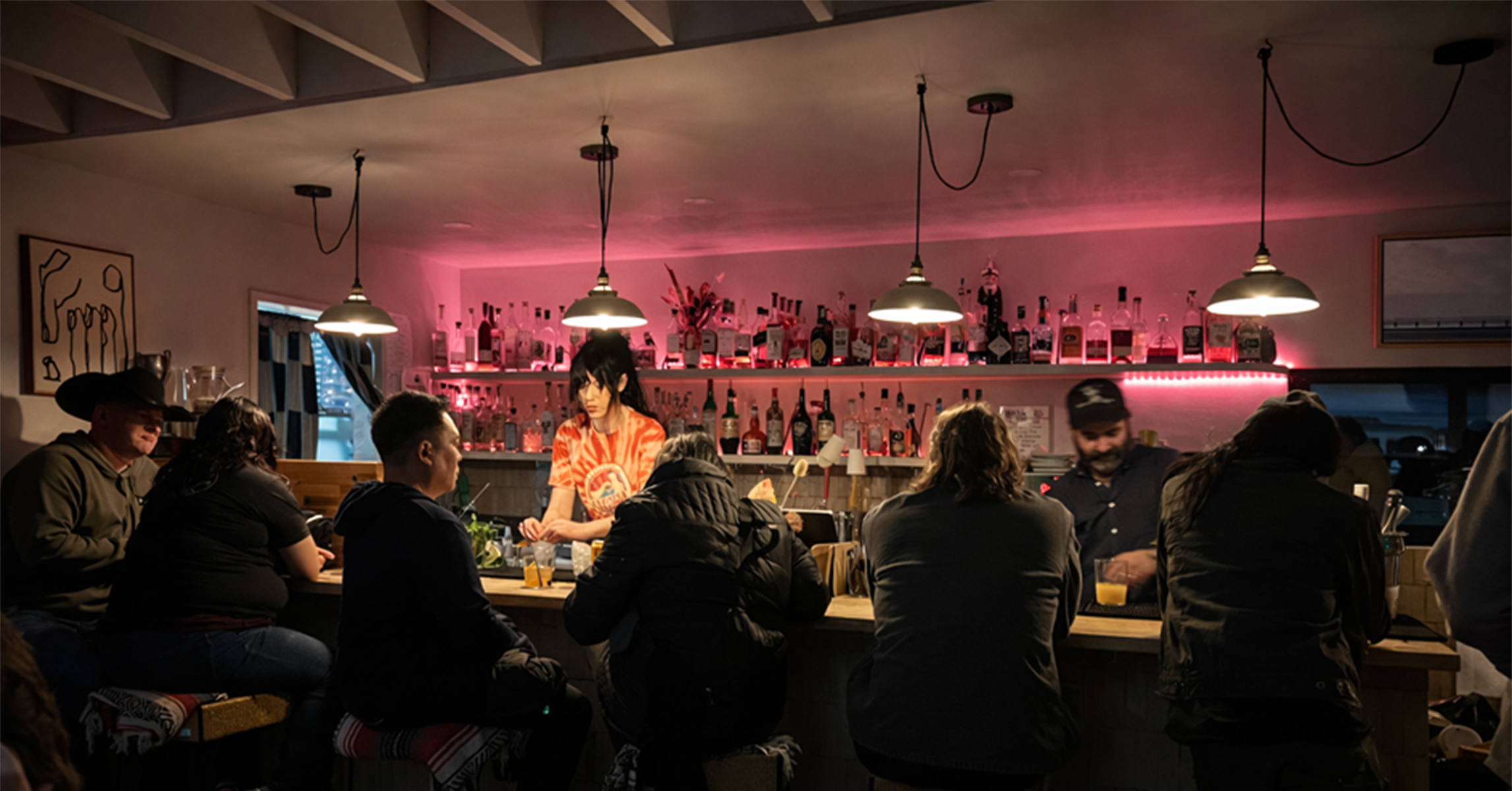
The evolution of bar safety reflects a broader cultural shift toward mindful drinking and inclusive nightlife. Today’s bars aren’t just serving drinks – they’re creating secure nightlife environments where wellness, safety, and enjoyment coexist. This transformation is reshaping how establishments approach everything from drink menus to staff training.
How Drinking Culture is Evolving
The landscape of drinking culture has transformed significantly since 2018’s “sober curious” movement first encouraged people to examine their relationship with alcohol. The pandemic accelerated this shift, as wellness-conscious consumers began demanding more innovative alternatives to traditional drinking.
Today’s bar scene features sophisticated non-alcoholic elixirs with adaptogens like reishi mushroom and ashwagandha, marketed to deliver relaxation while supporting gut health and overall wellness.
Safety consciousness has become paramount, with innovations like NightCap, a drink-spiking prevention tool featured on Shark Tank, highlighting the growing concern for patron safety. This year, the popularity of “Damp January” over complete abstinence shows how moderation is becoming mainstream.
6 Essential Bar Safety Trends Transforming the Industry
1. Enhanced State Alcohol Server Training Requirements
States are strengthening their requirements for alcohol server training, with Tennessee leading the way. Starting January 2025, Tennessee requires all servers to undergo training every two years (instead of every five), with an enhanced focus on preventing sexual assault and harassment.
Oregon alcohol server training courses now include updates on mandatory reporting of suspected sex trafficking at licensed premises, demonstrating the expanding scope of server training.
2. Discrete Bar Safety Systems
Modern bars are implementing sophisticated yet subtle safety measures, making it easier for patrons to seek help without drawing attention to themselves.
The “angel shot” system, for instance, allows patrons to discreetly signal they need help by ordering a specific drink. Many establishments now post safety information in bathrooms and have introduced safe exit protocols for problematic situations.
3. The Rise of NoLo Culture
The growing popularity of low and no-alcohol options is contributing to safer bar environments in unexpected ways. By offering sophisticated mocktails and non-alcoholic alternatives, bars are creating more inclusive spaces where not drinking is normalized. This shift reduces peer pressure to consume alcohol and helps maintain lower overall intoxication levels in venues.
4. New Bar Technologies
Advanced technology is beginning to reshape bar safety. Point-of-sale (POS) systems now carry security features like drink counting systems with tab limit warnings to prevent over-serving.
Digital ID scanners from Patronscan not only verify ID authenticity but also share information about banned patrons across venues and help identify when a venue is nearing capacity.
5. Professional Staff Development
The bar industry is increasingly viewing staff development as a crucial component of safety. Well-trained, experienced staff members who feel valued are more likely to stay in their positions longer, creating consistency in safety protocols and building trusted relationships with regular patrons.
Organizations like Bares seguros are seeking to stop sexual aggression and other forms of violence by expanding on traditional training. Their in-person and virtual classes teach active bystander and de-escalation skills.
6. Anti-Drink Spiking Initiatives
Drink spiking awareness programs are popping up in more and more places. While many colleges, like Florida State University, now provide drink spike prevention resources, some cities are launching their own campaigns.
In April 2024, the City of Austin launched Sip Safely, a pilot program designed to raise awareness about the crime of drink spiking and provide prevention education.
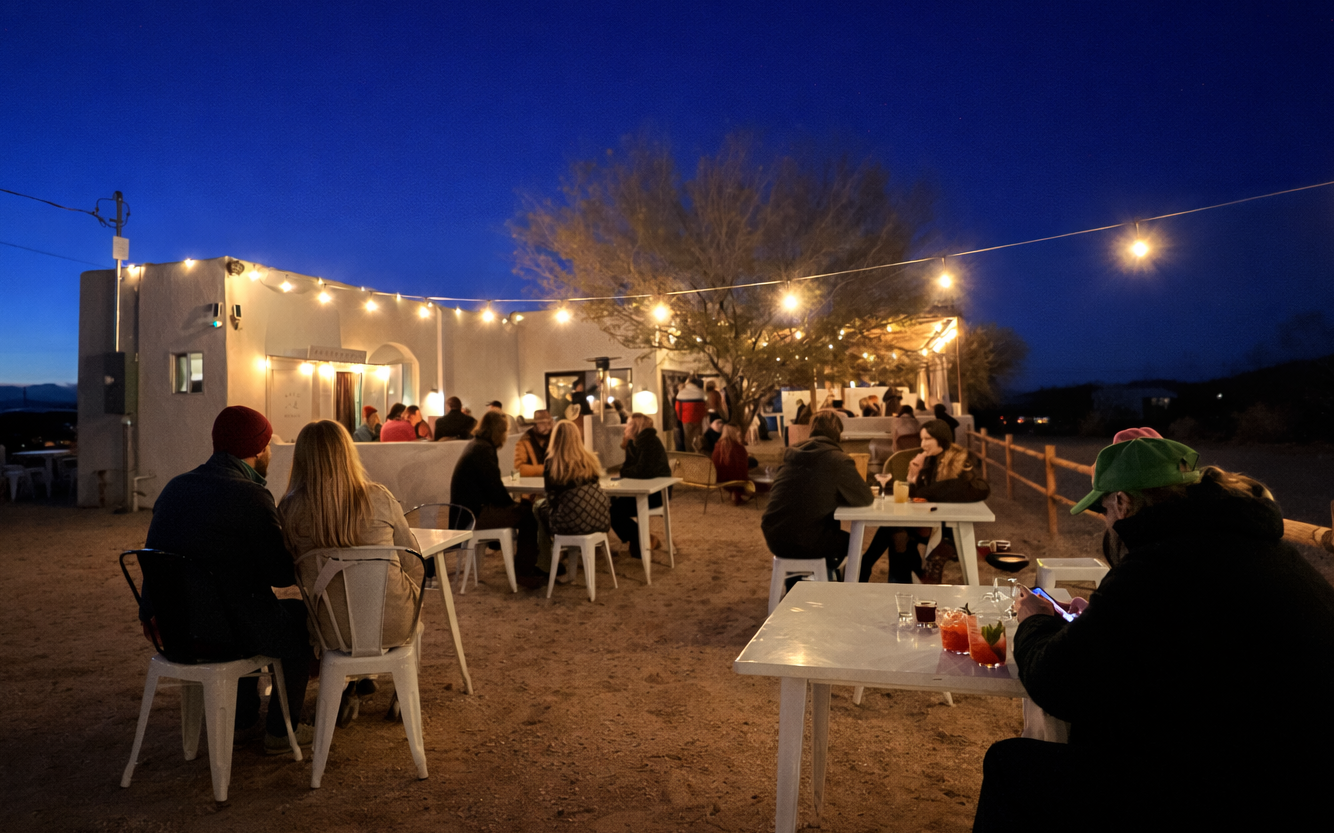
The best safety measures are the ones that work so smoothly, patrons barely notice they’re there.
The Impact of Server Training on Bar Safety
The biggest factor affecting nightlife safety is education. Currently, 17 states in the U.S. states have recognized this by enacting mandatory alcohol server training laws with the most recent being California, adopting its own Responsible Beverage Service program in 2022.
Alcohol server training ensures all servers have a baseline understanding and contributes to a culture of responsibility across the entire service industry. The impact is clear:
- Fewer alcohol-related incidents and liability claims
- Better response times to emerging situations
- Increased staff confidence in handling difficult scenarios
At Craft Serving, as certified providers of online alcohol server training, our curriculum goes beyond basic liquor laws to address current industry challenges, covering:
- Recognition of potentially dangerous situations
- De-escalation techniques for diffusing tense interactions
- Intervention strategies to protect patron safety
- Communication skills for navigating sensitive situations
Safer Bars for Everyone
The most successful establishments are those that embrace these changes while maintaining the welcoming, relaxed atmosphere that makes bars important social spaces in our communities. After all, the best safety measures are the ones that work so smoothly, patrons barely notice they’re there.
📚 Related Bar Safety Resources
Ready to enhance your bar safety knowledge? Check out our other essential guides!
Consejos para que los camareros realicen Pop-Ups con éxito





Enviar un comentario