
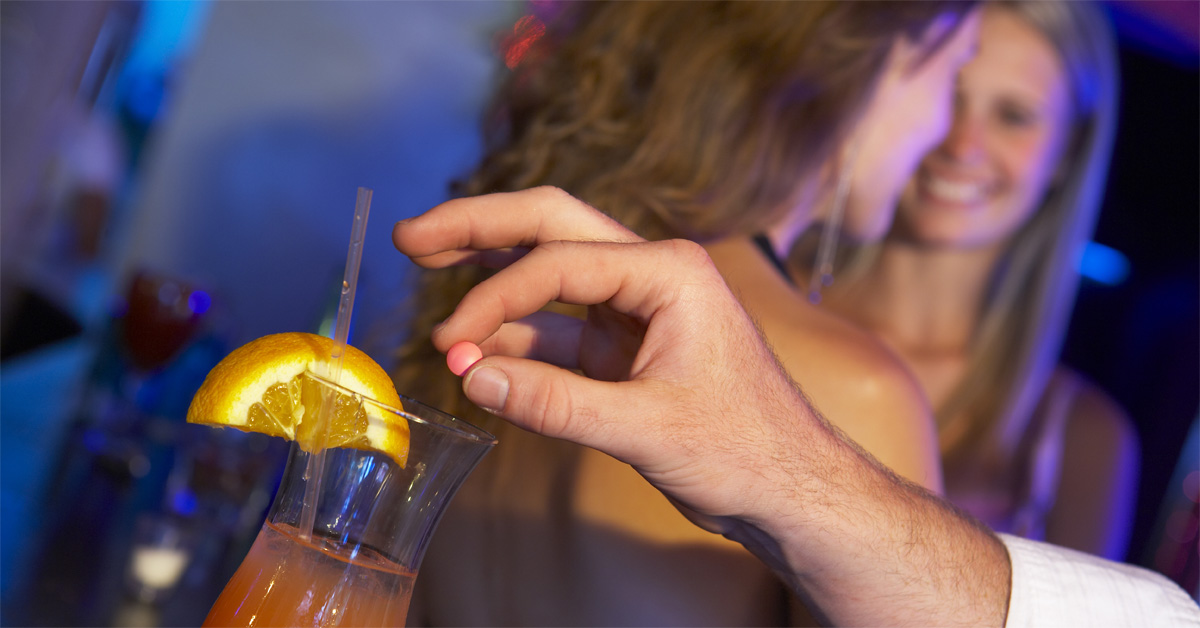
California’s drink spiking law now requires alcohol servers to be trained in prevention and response – and gives Type 48 licensees their own separate set of requirements covering testing kits, signage, and drink lids. If you’ve noticed new content in your RBS training or new signs going up behind the bar, here’s the law behind it.
What Is a Type 48 Licensee?
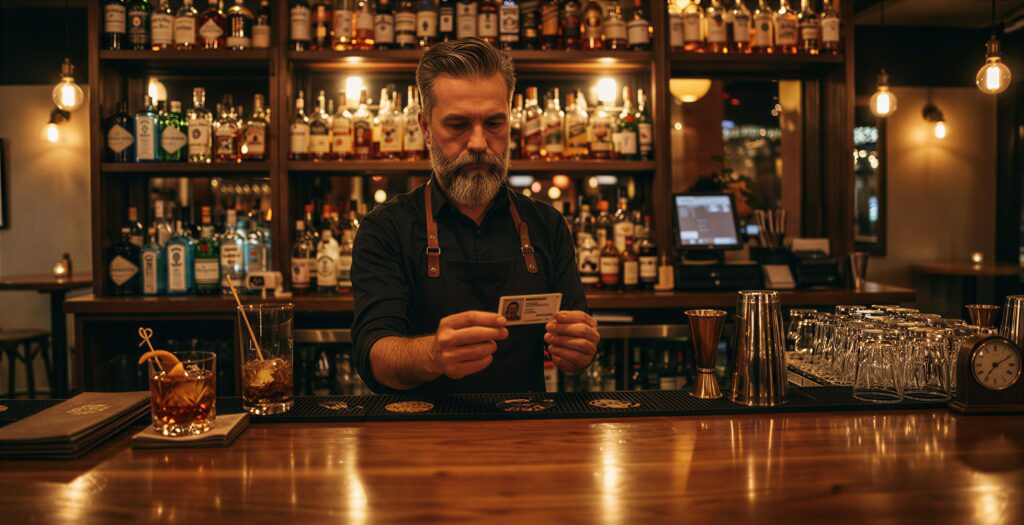
“Type 48” refers to an On-Sale General – Public Premises license issued by the California ABC. It authorizes a business to sell beer, wine, and distilled spirits for on-site consumption – with no requirement to also serve food, unlike a Type 47 restaurant license. Bars, taverns, and nightclubs are the most common Type 48 establishments. Patrons must be 21 or older to enter, with limited exceptions.
Timeline of California’s Drink Spiking Law
The push behind California’s drink spiking law has a personal thread running through it. Its lead author, Assembly Member Josh Lowenthal (D-Long Beach), is a former nightclub owner and current partner in several Southern California restaurants that serve alcohol.
Between 2023 and 2024, he authored four connected bills: one requiring RBS training providers to teach drink spiking prevention and response, and three governing what Type 48 licensees must do at the point of service – offering testing kits and posting signage, providing drink lids on request, and contacting emergency services when drink spiking is suspected.
In an interview with CalMatters, Lowenthal said drink spiking had reached “crisis proportions” – though he and researchers who study the issue have acknowledged that hard data is difficult to come by, since the drugs involved tend to clear the body within hours and leave little evidence for investigators to test.
Drink Spiking Assembly Bills
- AB 1013 – Testing kits and signage – Becomes BPC §25624
- AB 2375 – Drink lids – Becomes BPC §25625
- AB 2389 – Emergency response – Becomes BPC §25624.5
- AB 2402 – Curriculum requirement – Becomes CCR §§165.1–165.2
Key Dates
- Oct 2023 – AB 1013 signed (testing kits & signage)
- Jul 2024 – AB 1013 becomes operative
- Sep 2024 – AB 2375 (drink lids), AB 2389 (emergency response), and AB 2402 (curriculum requirement) all signed within the same week
- Jan 2025 – AB 2389 becomes effective
- Jul 2025 – AB 2375’s drink lid requirement becomes operative
- Jan 2026 – CCR §§165.1–165.2 filed, adding the curriculum requirements
- Apr 2026 – CCR §§165.1–165.2 become operative
- Dec 2026 – Deadline for RBS training providers to have updated curriculum approved by the ABC
How California’s Drink Spiking Law Changed the RBS Curriculum
AB 2402 requires the ABC to add drink spiking prevention and response training to the required curriculum of its Responsible Beverage Service Training Program. The ABC implemented this through two new sections of Title 4 of the California Code of Regulations.
Unlike the Type 48-specific laws covered later in this article, this curriculum requirement carries no sunset date – it’s a permanent part of what RBS training must cover going forward.
Preventing Drink Spiking (§165.1)
Servers must now be trained on:
- Creating a safe environment – observing patrons and reporting suspicious behavior to a manager, and enforcing capacity limits and crowd control plans
- Preventing drink spiking in served drinks – developing policies for:
- Testing kits – how to use and read the testing kits available on-premises
- Drink lids – understanding drink lid policies
- Unattended drinks – how to handle drinks left unattended
- Recognizing the signs of drink spiking, including:
- Appearing intoxicated after little or no alcohol
- Complaining about the strength of a drink
- Sudden dizziness or nausea
- Sudden loss of bladder or bowel control
- Sudden changes in body temperature
Responding to Suspected Drink Spiking (§165.2)
Servers must also be trained on how to respond if a patron believes they (or someone they know) has been drugged:
- Move the person somewhere safe and keep a staff member with them
- Call emergency services
- Keep talking to the person to help reassure them
- If possible, try to locate the alleged perpetrator and keep an eye on them
- Preserve the drink in question for testing, if possible
Licensees are also required to train staff on recognizing common trauma responses when helping someone through a suspected incident.
Type 48 Requirements Under California’s Drink Spiking Law
While §165.1 and §165.2 govern what training providers must teach, three Business and Professions Code sections go a step further – placing direct obligations on Type 48 licensees (on-sale general public premises license holders) to actually implement these measures at their premises.
| Requirement | Law | In Effect Since | Sunset Date* |
|---|---|---|---|
| Testing kits & signage | §25624 | July 1, 2024 | January 1, 2027 |
| Contacting law enforcement/EMS | §25624.5 | January 1, 2025 | No sunset |
| Drink lids | §25625 | July 1, 2025 | January 1, 2027 |
*Unless extended by the Legislature before then.
Testing Kits & Signage (§25624)
Type 48 licensees must offer drug testing devices for sale at a reasonable cost, or provide them free of charge. Licensees aren’t liable for a defective test or an inaccurate result, but they must make sure any testing devices offered haven’t passed their expiration date.
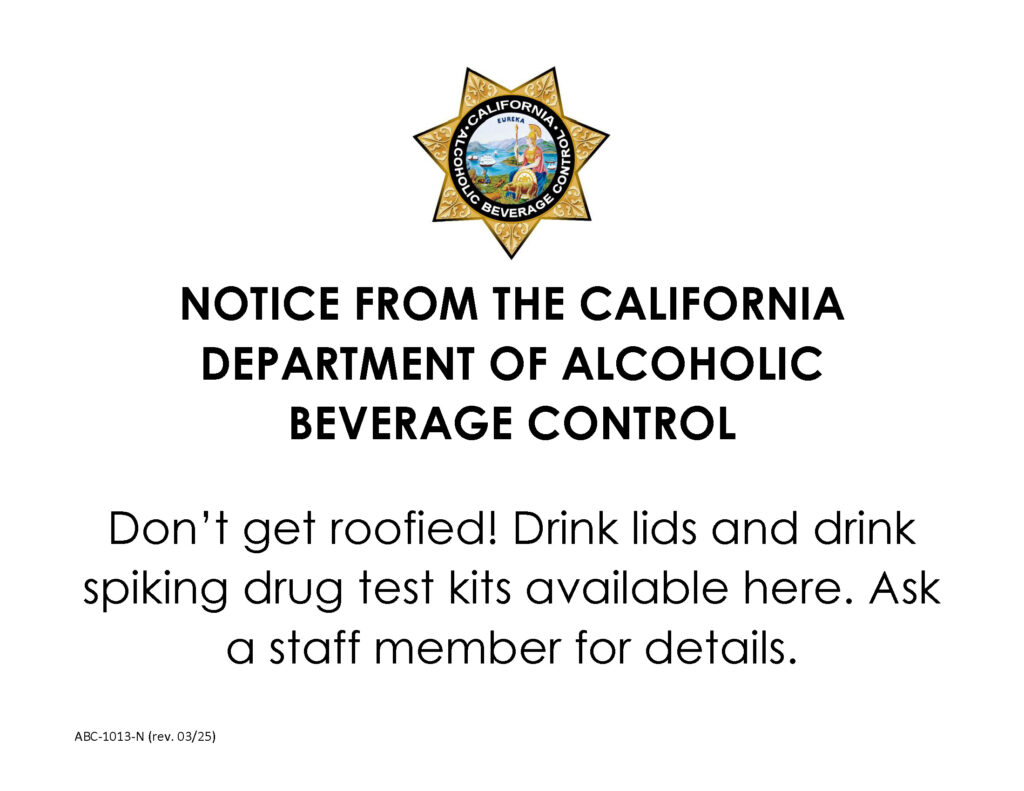
Licensees must also post the ABC’s required signage in a prominent, conspicuous location. The ABC provides an official printable sign template with the exact required text.
Responding to Law Enforcement or EMS (§25624.5)
If a Type 48 licensee is notified that a customer believes they’ve been drugged – through a positive test result, observed tampering, a verbal report, or observed symptoms – staff must contact law enforcement or emergency medical services and follow their instructions to the best of their ability. Unlike the other two Type 48 laws here, this one has no scheduled sunset date.
Drink Lids (§25625)
Type 48 licensees must provide a drink lid on request. A reasonable fee can be charged, or lids can be offered free of charge. The same signage requirement from §25624 applies. A first violation of this section results only in a warning from the ABC – not a citation.
What Happens If §25624 and §25625 Sunset on January 1, 2027?
Unless the Legislature acts to extend them, §25624 (testing kits and signage) and §25625 (drink lids) are scheduled to repeal on their own terms on January 1, 2027. If that happens, Type 48 licensees would no longer be legally required to offer testing kits, post the associated signage, or provide drink lids on request under these specific statutes.
What wouldn’t change is the training requirement itself. Because §165.1 and §165.2 stem from a separate part of the law with no sunset clause, RBS training will continue to cover drink spiking prevention and response regardless of what happens with these two statutes. If you’re a Type 48 licensee, it’s worth keeping an eye on the ABC’s website as the date approaches to confirm current status.
How Craft Serving’s RBS Course Reflects These Laws
Craft Serving’s California RBS Certification Course has been fully updated to reflect California’s drink spiking law – covering drink spiking prevention and response under §165.1 and §165.2, and the current Type 48 requirements under §§25624, 25624.5, and 25625 – taught the way we teach everything else: in clear, straightforward lessons instead of dense legal language, so you actually walk away knowing what to do.
⚖️ California Drink Spiking Laws Referenced in This Article
- AB 1013 (2023) – Testing kits & signage requirement
- AB 2375 (2024) – Drink lids requirement
- AB 2389 (2024) – Emergency response requirement
- AB 2402 (2024) – Drink spiking training requirement
- CCR §§165.1–165.2 – RBS curriculum requirements
- BPC §25624 – Testing kits & signage
- BPC §25624.5 – Responding to suspected drink spiking
- BPC §25625 – Drink lids






Submit a Comment